



Why Is My Dog Slowing Down in the Nebraska Heat? Spotting Early Signs of Heat Exhaustion vs. Joint Pain
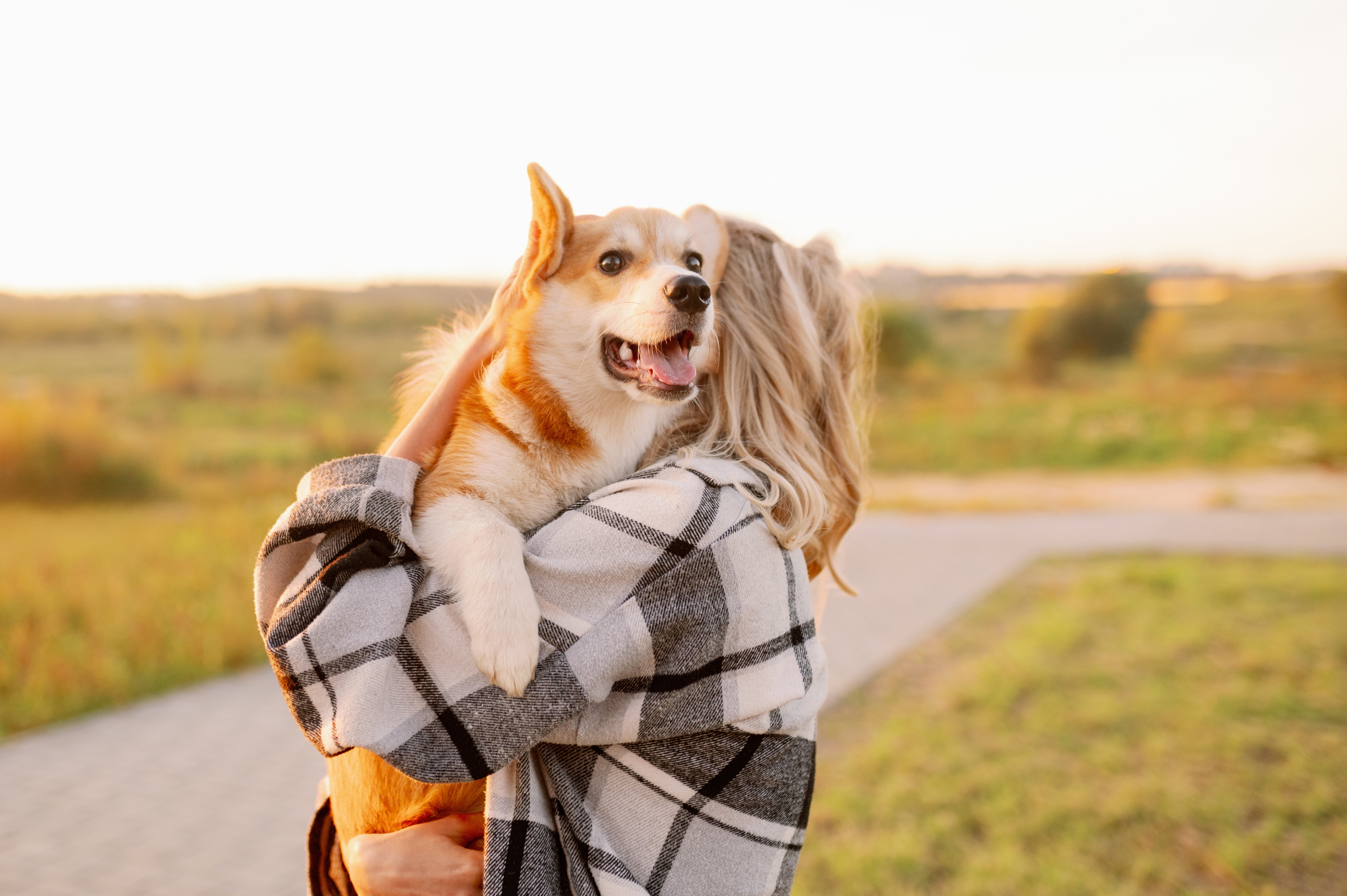
Nebraska summers can be tough on dogs, especially seniors, overweight pets, flat-faced breeds, and dogs with existing heart, breathing, or mobility concerns. If your dog suddenly starts walking more slowly, resting more often, or losing interest in outdoor activity, it is important not to assume they are simply tired.
Heat exhaustion and joint pain can both cause a dog to slow down, but they require different responses. Paying attention to when the symptoms appear, how quickly they develop, and whether your dog improves after resting indoors can help you recognize when veterinary care is needed.
Signs Your Dog May Be Overheating
Dogs rely heavily on panting to release heat, so excessive or unusually rapid panting can be an early warning sign that your dog is struggling with the temperature. Heat-related illness can progress quickly, particularly after exercise, time in direct sun, or exposure to a hot and poorly ventilated space.
Warning signs can include:
- Heavy or rapid panting that does not settle with rest
- Excessive drooling or sticky gums
- Weakness, stumbling, or poor coordination
- Vomiting or diarrhea
- Confusion, distress, or unusual lethargy
- Collapse or seizures in severe cases
If your dog shows signs of significant overheating, move them to a cooler environment and contact a veterinarian promptly. Severe heatstroke is a medical emergency. Avoid forcing strenuous activity during the hottest part of the day, and make sure fresh water and shade are always available.
When Slowing Down May Point to Joint Pain
Joint discomfort often develops more gradually than heat exhaustion. A dog with arthritis or another orthopedic problem may seem stiff after sleeping, hesitate before using stairs, lag behind on walks, or avoid jumping into the car. You may also notice limping, difficulty getting up, changes in posture, or less enthusiasm for play.
Hot weather can make it harder to judge these changes because dogs naturally reduce activity when temperatures rise. One useful clue is persistence. If your dog remains stiff or reluctant to move even after cooling down and resting indoors, joint pain may be contributing to the problem.
Why a Veterinary Exam Matters
Because fatigue, overheating, pain, and other health conditions can look similar at home, a veterinary exam can help determine what is actually causing the change. At Polaris Veterinary Center, we can evaluate your dog's overall health, mobility, joints, and individual risk factors. Depending on what we find, diagnostic imaging such as X-rays may be recommended to look for arthritis, injury, or other orthopedic concerns.
For dogs with ongoing discomfort, a personalized care plan may include pain management, weight and activity recommendations, senior care, or other supportive options. Polaris Veterinary Center also offers services such as laser therapy and acupuncture that may be considered when appropriate for an individual pet.
If your dog is slowing down, do not write it off as the Nebraska heat or normal aging. Schedule an evaluation with Polaris Veterinary Center in Lincoln, Nebraska at (402) 382-6180.

MAP
© 2026 Polaris Veterinary Center. All Rights Reserved. Accessibility Statement - Privacy Policy - Sitemap
Powered by: 